Elevate Your Roasted Broccoli: Tips for Ultimate Flavor
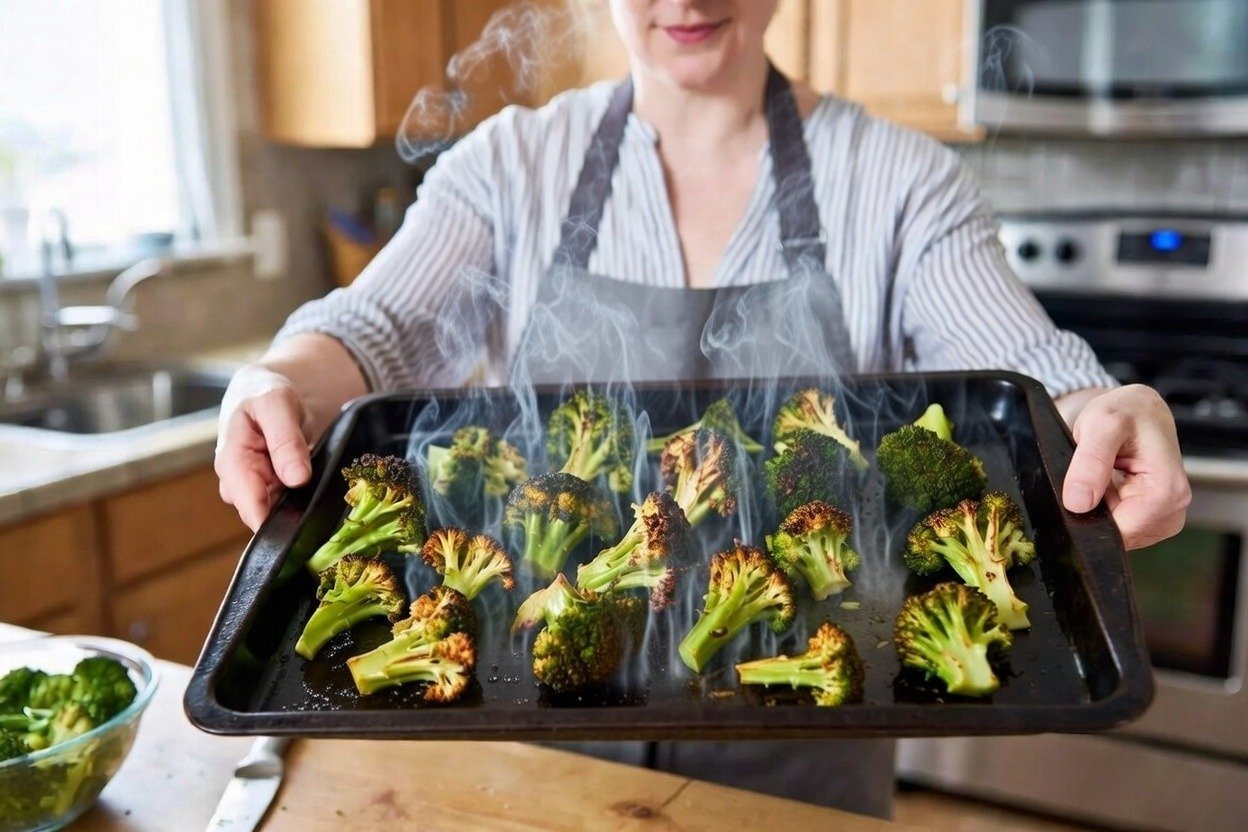
Roasted broccoli is more than just a simple side dish; it's a culinary revelation when done right. Transforming humble florets into tender-crisp, caramelized bites bursting with flavor, mastering the art of roasting broccoli can elevate any meal. Forget sad, soggy, or bland steamed versions – we're talking about unlocking broccoli's full potential, turning skeptics into enthusiasts. If you've ever wondered how to roast broccoli that's truly irresistible, you're in the right place. This comprehensive guide will walk you through the essential steps and advanced tips to achieve ultimate flavor every single time.
The Foundation: Starting with the Best Broccoli
The journey to phenomenal roasted broccoli begins even before it hits the pan. The quality and preparation of your raw ingredient are paramount.
- Choose Wisely: Look for broccoli heads that are vibrant green, firm to the touch, and heavy for their size. Avoid any with yellowing florets or soft spots, as these indicate it's past its prime. Freshness directly translates to better texture and flavor once roasted.
- Wash and Dry Thoroughly: This step is arguably the most crucial for achieving that coveted crispiness. After washing your broccoli under cold water, you must dry it meticulously. Excess moisture creates steam in the oven, preventing caramelization and leading to a soggy result. Use a salad spinner, then pat dry thoroughly with paper towels or a clean kitchen towel. Don't skip this!
- Consistent Florets: Cut the broccoli into similarly sized florets, about 1-1.5 inches. This ensures even cooking. If you have some tiny pieces and some large ones, the smaller ones will burn before the larger ones are tender. You can also peel and slice the stems into coin shapes; they roast beautifully and are often sweeter than the florets.
Mastering the Roasting Process for Flavor Excellence
Once your broccoli is prepped, the roasting itself requires a few key techniques to guarantee ultimate flavor and texture.
High Heat is Your Best Friend
For flavorful, caramelized, and slightly charred broccoli, high heat is non-negotiable. Preheat your oven to a minimum of 400°F (200°C), but 425°F (220°C) or even 450°F (230°C) often yields superior results. This intense heat causes the natural sugars in the broccoli to caramelize, creating those delicious browned edges and a depth of flavor you can't get otherwise.
The Right Oil and Proper Coating
Choose an oil with a high smoke point, such as olive oil, avocado oil, or grapeseed oil. Drizzle enough oil to lightly coat all the florets, typically 1-2 tablespoons per pound of broccoli. Toss the broccoli thoroughly in a large bowl to ensure every piece is evenly coated. Too little oil can lead to dry, under-caramelized broccoli, while too much can make it greasy.
Don't Overcrowd the Pan
This is a common mistake that sabotages texture and flavor. When broccoli florets are packed too tightly on a baking sheet, they release moisture, which gets trapped and essentially steams them instead of roasting them. Always arrange your broccoli in a single layer, with plenty of space between each floret. If you're roasting a large batch, use two baking sheets or roast in batches. This allows for proper air circulation and direct contact with the hot pan, leading to beautiful browning and crispiness. For more detailed tips on achieving that perfect crunch, check out How to Roast Broccoli Perfectly Crispy Every Time.
Strategic Seasoning
Basic seasoning begins with good quality salt (like kosher or sea salt) and freshly ground black pepper. Add these along with the oil before roasting. The heat helps the salt penetrate and enhance the broccoli's natural flavors. While basic is good, this is where you start building layers of flavor...
Beyond the Basics: Elevating Flavor with Seasonings and Add-ins
This is where you can truly transform your roasted broccoli from good to extraordinary. Don't be afraid to experiment!
Aromatic Herbs and Spices
- Garlic: Fresh minced garlic can be added during the last 5-10 minutes of roasting to prevent burning, or use garlic powder mixed with the oil at the start. Roasted garlic offers a sweet, mellow flavor.
- Onion Powder: Adds a subtle savory depth.
- Paprika (Smoked or Sweet): Brings warmth and a beautiful reddish hue. Smoked paprika adds a fantastic campfire-like aroma.
- Chili Flakes: For a gentle kick, perfect if you like a little heat.
- Dried Herbs: Oregano, thyme, rosemary, or an Italian blend can infuse an herbaceous aroma. Add these with the oil.
Zesty Brightness
A touch of acidity can cut through the richness of the roast and awaken the flavors.
- Lemon: Fresh lemon zest added with the oil before roasting provides a bright, citrusy aroma. A squeeze of fresh lemon juice after roasting brightens the dish without making it soggy.
- Vinegars: Drizzle balsamic vinegar or red wine vinegar over the roasted broccoli just before serving. A balsamic glaze can also be a wonderful sweet-tangy finish.
Umami Boosters
These ingredients add a savory, satisfying depth that makes broccoli incredibly addictive.
- Parmesan Cheese: Grated Parmesan (or nutritional yeast for a dairy-free option) can be tossed with the broccoli before roasting, creating a crispy, cheesy crust. Alternatively, sprinkle it over the hot broccoli immediately after it comes out of the oven.
- Soy Sauce or Tamari: A splash of soy sauce or tamari (for gluten-free) mixed with the oil before roasting adds an incredible savory, salty, umami kick.
- Miso Paste: Whisk a teaspoon of white miso paste with your oil and a tiny bit of water to make a slurry before tossing with broccoli for a profound umami flavor.
- Toasted Nuts/Seeds: Pine nuts, sliced almonds, or sesame seeds can be added during the last few minutes of roasting, or simply sprinkled over the finished dish, for extra texture and nutty flavor.
A Touch of Sweetness (Optional but delicious)
A little sweetness can beautifully balance the slight bitterness of broccoli and enhance caramelization. Be cautious, as sugars can burn quickly.
- Maple Syrup or Honey: Drizzle a tiny amount (about ½ teaspoon per pound) with the oil before roasting. Keep an eye on it to prevent burning.
- Brown Sugar: A pinch of brown sugar can achieve a similar effect, adding a molasses-like sweetness.
Common Pitfalls to Avoid for Perfect Roasted Broccoli
Even with the best intentions, it's easy to fall into common traps. Knowing what to watch out for can save your roasted broccoli from mediocrity.
- Not Drying Your Broccoli: As mentioned, moisture is the enemy of crispiness. Always ensure your broccoli is bone dry before oiling and roasting.
- Overcrowding the Pan: It bears repeating – a single layer is crucial for roasting, not steaming. Use multiple pans if necessary.
- Low Oven Temperature: Too low a temperature will result in soft, pale, and uninspired broccoli. Crank up that heat!
- Under-Seasoning: Broccoli can handle a good amount of salt and robust flavors. Don't be shy! Taste and adjust after roasting if needed.
- Uneven Cuts: Inconsistent florets mean inconsistent cooking, leading to some burnt pieces and some still raw.
By avoiding these common missteps, you’ll prevent issues like soggy or mushy broccoli and achieve that perfect texture every time. For even more detailed guidance on common roasting problems, be sure to read our article: Secrets to Perfectly Roasted Broccoli: No More Mushy.
Conclusion
Roasting broccoli for ultimate flavor is a simple yet rewarding culinary endeavor. It starts with quality ingredients and meticulous preparation, then moves to mastering high-heat roasting techniques and strategic seasoning. From basic salt and pepper to complex herb blends, zesty finishes, and umami bombs, the possibilities for enhancing your roasted broccoli are endless. Don't be afraid to experiment with different spices, acids, and sweet notes to discover your favorite combinations. By following these tips and avoiding common pitfalls, you'll consistently turn out a side dish that's not just healthy, but genuinely delicious and a true highlight of any meal. Happy roasting!
