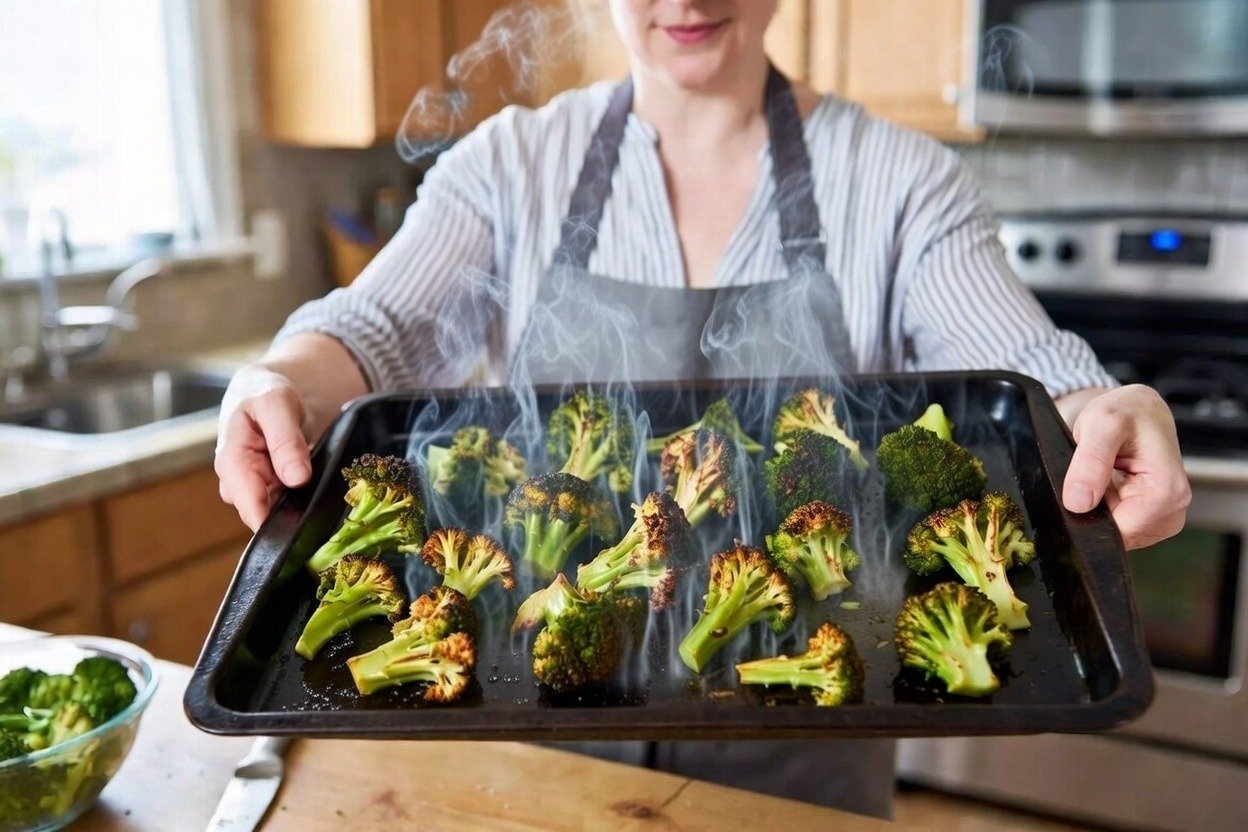
Many people love broccoli, but few master the art of roasting it. The dream is vibrant green florets with crispy, slightly charred edges and a tender-crisp interior. The reality, for many, is a sad, soggy, and mushy mess. If you've ever wondered how to roast broccoli without it turning into an unappetizing pile, you're in the right place. This comprehensive guide will unlock the secrets to achieving perfectly roasted broccoli every single time, ensuring you never encounter mushy results again.
The Foundation: Why Broccoli Gets Mushy (and How to Prevent It)
Understanding why your broccoli sometimes falls short is the first step to mastering the perfect roast. It's often due to a combination of factors related to moisture and heat application.
Moisture is the Enemy: Understanding Water Content
Broccoli, like most vegetables, is mostly water. When you expose it to heat, this water turns to steam. If there's too much moisture present, or if it can't escape quickly enough, the broccoli essentially steams instead of roasts. This leads to that dreaded mushy texture.
- Thorough Drying is Non-Negotiable: After washing your broccoli, it is absolutely crucial to dry it meticulously. Use a salad spinner, then pat dry with paper towels or a clean kitchen towel until there is no visible moisture. Any lingering water will create steam, preventing crisping.
- Don't Overcrowd the Pan: This is a common pitfall when learning how to roast broccoli. When florets are packed too tightly on a baking sheet, they release moisture, and that moisture gets trapped. Instead of browning and crisping, the broccoli ends up steaming in its own juices. Always give your broccoli plenty of space – use two baking sheets if necessary.
The Science of Heat: High Heat for Crispy Results
Roasting is a dry-heat cooking method that relies on high temperatures to caramelize and brown the food. If the temperature isn't high enough, or if the oven isn't properly preheated, you won't achieve that desirable crispness.
- Optimal Oven Temperature: For perfect roasted broccoli, you need a hot oven, typically between 400-425°F (200-220°C). This high heat quickly evaporates surface moisture and initiates the Maillard reaction, responsible for browning and flavor development.
- Preheat the Baking Sheet: For an extra edge in achieving crispy florets, place your empty baking sheet in the oven while it preheats. Adding the broccoli to a hot surface jump-starts the roasting process, creating a beautifully charred bottom and preventing sticking.
Step-by-Step Guide to Roasting Broccoli Perfection
Now that we've covered the crucial foundational principles, let's walk through the precise steps to ensure your broccoli emerges from the oven perfectly tender-crisp and irresistibly flavorful.
Step 1: Choosing and Preparing Your Broccoli
The journey to perfect roasted broccoli begins before it even hits the oven.
- Select Fresh Broccoli: Look for firm, vibrant green heads with tight florets and no yellowing. Freshness contributes significantly to texture and flavor.
- Cut Uniform Florets: Trim the thick stalk, then cut the broccoli into bite-sized florets. Aim for pieces that are roughly the same size (about 1-1.5 inches) so they cook evenly. Smaller pieces will roast faster and achieve more crispy surface area. Don't discard the stem! Peel it and cut it into rounds or sticks for roasting alongside the florets.
- Wash and Dry Thoroughly: As mentioned, this step is paramount. Wash your florets under cold water, then shake off excess water. Use a salad spinner, then lay them out on a clean kitchen towel or paper towels and pat them until bone dry.
Step 2: The Right Seasoning and Fat
Seasoning is where much of the flavor comes in, and the right fat helps with browning and even cooking.
- Choose Your Fat Wisely: Olive oil is a classic choice, offering a delicious flavor profile. Avocado oil is another excellent option due to its high smoke point, which is beneficial for high-heat roasting. Use just enough to lightly coat the florets – about 1-2 tablespoons per pound of broccoli. Too much oil can make the broccoli greasy and prevent crisping, while too little can lead to dry, burnt spots.
- Season Liberally: Salt and freshly ground black pepper are essential. Beyond that, consider garlic powder, onion powder, paprika, or a pinch of red pepper flakes for a kick. Toss the broccoli, oil, and seasonings together in a large bowl until every floret is evenly coated.
Step 3: Oven Temperature and Roasting Time
This is where the magic happens, transforming raw broccoli into a golden, delicious side dish.
- High Heat is Key: Preheat your oven to 400-425°F (200-220°C). If you're using a preheated baking sheet, ensure it's been in the oven for at least 10-15 minutes to get adequately hot.
- Arrange in a Single Layer: Spread the seasoned broccoli florets on the hot baking sheet in a single layer, ensuring none are overlapping. This crucial step allows for proper air circulation and direct contact with the hot surface, leading to maximum browning and crisping.
- Roast Until Tender-Crisp: Roasting time will vary depending on your oven, the size of your florets, and your desired level of crispness. Generally, it takes 15-25 minutes. At the 10-12 minute mark, you can toss the broccoli for even browning, but leaving it undisturbed often results in crispier, more charred undersides. Look for vibrant green florets with tender-crisp interiors and beautifully browned or slightly charred edges. This is the tell-tale sign of perfectly roasted broccoli!
Advanced Tips for Next-Level Roasted Broccoli
Once you've mastered the basics of how to roast broccoli without it turning mushy, you can start experimenting with techniques and flavors to truly elevate your dish.
Embrace the Blanch: A Controversial but Effective Method
While counter-intuitive to the "dry broccoli" rule, a brief blanch can sometimes enhance texture and vibrant color, especially if you plan to refrigerate and reheat.
- Quick Blanch: Briefly plunge florets into boiling salted water for 60-90 seconds, then immediately transfer them to an ice bath to stop cooking. Dry them extremely well afterwards before proceeding with oil and seasoning. This helps to set the color and par-cook the broccoli, reducing overall roasting time and ensuring a tender interior. However, it adds an extra step and can introduce more moisture if not dried perfectly.
Flavor Boosters: Beyond Salt and Pepper
Don't be afraid to experiment with different seasonings to add complexity and excitement to your roasted broccoli.
- Aromatic Additions: Toss with minced garlic, lemon zest, or red pepper flakes before roasting. These infuse the broccoli with incredible aromas and flavors.
- Post-Roast Finishers: A squeeze of fresh lemon juice, a sprinkle of Parmesan cheese, a drizzle of balsamic glaze, or a dusting of nutritional yeast after roasting can dramatically brighten and deepen the flavor. For more fantastic ideas on how to transform your simple side dish into a culinary masterpiece, explore our guide on Elevate Your Roasted Broccoli: Tips for Ultimate Flavor. You'll find countless ways to enhance your roasted vegetables.
Don't Overlook Storage and Reheating
While best enjoyed fresh, sometimes you have leftovers. Reheating roasted broccoli without it becoming mushy requires a careful approach.
- Storage: Store cooled roasted broccoli in an airtight container in the refrigerator for up to 3-4 days.
- Reheating: Avoid the microwave! It will steam the broccoli and make it mushy. Reheat in a hot oven (375°F/190°C) for 5-10 minutes, or in an air fryer at 350°F (175°C) for 3-5 minutes, until heated through and re-crisped.
Troubleshooting Common Roasted Broccoli Mistakes
Even with the best intentions, things can go wrong. Here’s a quick guide to diagnose and fix common issues when you try to figure out how to roast broccoli successfully.
- Mushy, Steamed Broccoli: This is the most common issue. The culprit is almost always excess moisture and/or overcrowding the pan. Ensure broccoli is bone dry and spread in a single layer with ample space between florets. Increase oven temperature if it’s too low.
- Dry, Burnt, or Flavorless: This could be due to too little oil, an oven that’s too hot (and not enough liquid in the broccoli), or insufficient seasoning. Make sure there’s enough oil to coat, but not drench, the florets, and season generously.
- Unevenly Cooked: If some florets are perfect and others undercooked, your pieces might be unevenly sized, or your oven has hot spots. Try cutting all florets to a similar size and rotating your baking sheet halfway through cooking.
For an even deeper dive into achieving that elusive perfect crunch every single time, make sure to check out our dedicated article: How to Roast Broccoli Perfectly Crispy Every Time. It offers additional strategies and expert advice for maximum crispness.
Mastering the art of how to roast broccoli perfectly crispy and tender, without any mushiness, is a truly rewarding culinary skill. By understanding the critical role of moisture management, embracing high heat, and paying attention to preparation and spacing, you can transform this humble vegetable into a star side dish. No longer will you dread a soggy outcome. Instead, you'll look forward to vibrant green florets with beautifully charred edges and a delightful tender-crisp bite. So, grab your broccoli, follow these secrets, and get ready to enjoy perfectly roasted broccoli like never before!
